Running a school is one thing. Building one that lasts is another.

We help private school owners uncover what is holding the institution back, understand why it is happening and decide what deserves attention first.

Private School Research • Ghana

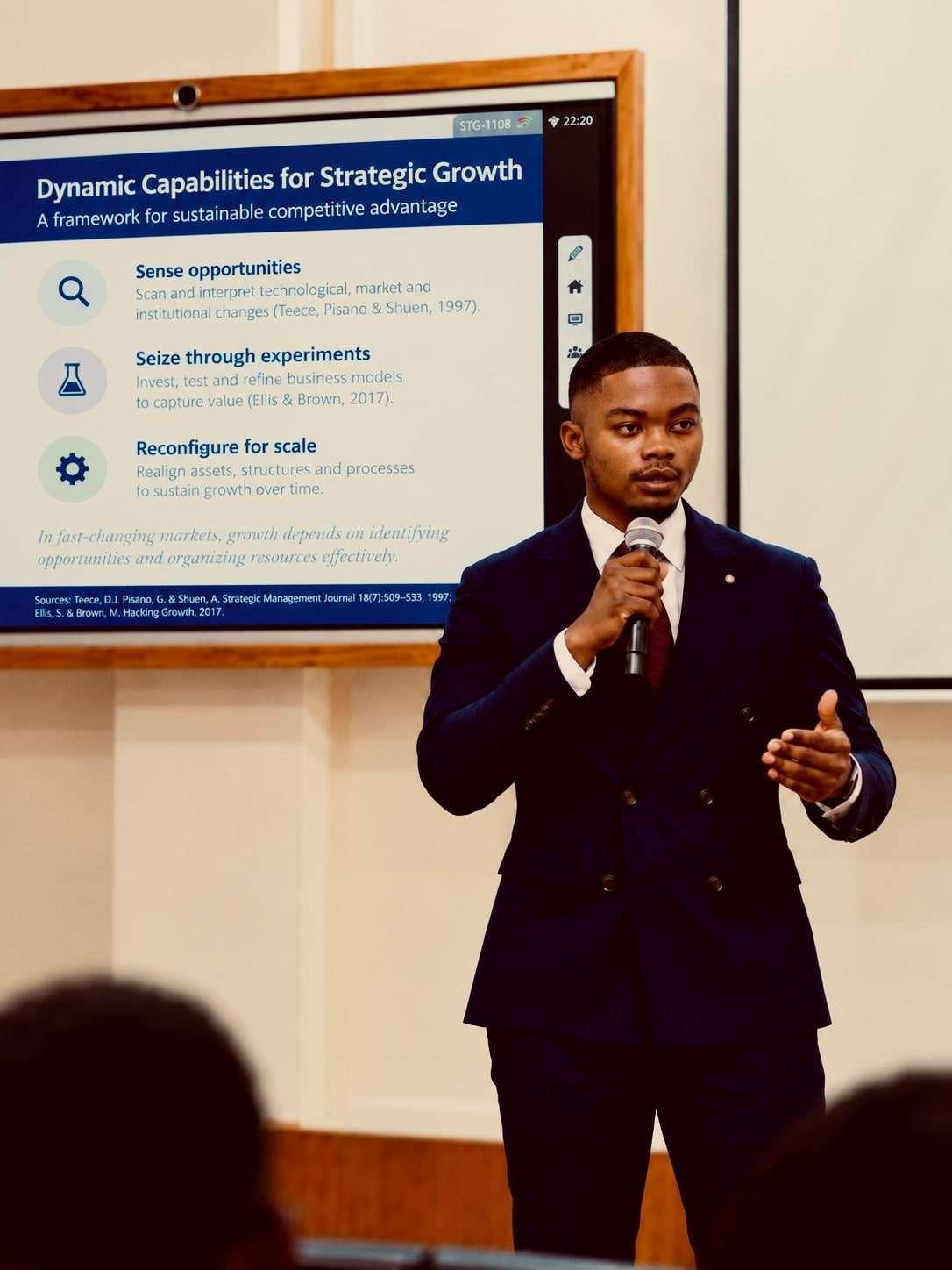
Leading the research

Will what you built still stand without you?

Years from now, the classrooms may still be full. Your name may still be on the school.

That is why I sit with the people who built these schools: to understand what they have created, what may threaten it and what it will take for their legacy to endure.

Every day brings something that needs your attention.

Parents need answers. Teachers need direction. Fees need collecting. Decisions need making.

Keeping it all moving leaves little time for a bigger question.

What is all this effort actually building?

We do not begin with an answer.

We begin with the problem.

A school can look successful and still have questions underneath.

  • Enrollment rises while financial pressure remains.
  • Classrooms are full while families grow quietly less satisfied.
  • Good people do good work, yet too much still depends on the proprietor.
  • New systems arrive without making the school easier to run.
  • Good results today do not secure the years ahead.

None of this shows from the outside, and one problem alone rarely tells the whole story.

What matters is what is really happening inside.

The obvious problem is not always the real problem.

  • Want more pupils? It must be marketing.
  • Fees paid late? It must be the parents.
  • Staff difficulties? It must be the people.
  • Buried in administration? It must be technology.

Sometimes that is exactly right.

Sometimes it is not.

  • Money can be spent.
  • Changes can be made.
  • More work can be added.
  • And the original problem can remain.

Knowing what to change starts with understanding why the problem exists.

Schools are offered plenty of solutions.

Software. Training. Marketing. Equipment. Programmes. Advice.

The question is not whether a solution sounds good.

The question is whether it solves something that actually matters.

  • We listen before reaching conclusions.
  • We look closely before recommending change.

Research method

A practical process for finding what deserves attention.

Each stage makes the problem clearer before any solution is proposed.

  1. Listen

    Hear from the people running the school.

  2. Examine

    Review the context, past attempts and evidence.

  3. Diagnose

    Separate the symptom from its cause.

  4. Prioritize

    Decide what matters first, and why.

  5. Test

    Try a focused response before a bigger commitment.

  6. Learn

    Use the results to improve the next decision.

Trust and responsibility

Trust matters when someone is looking inside your institution.

Improvement has to work within the responsibilities of running a school.

  • We study the school, not individual pupils.
  • We ask only for what the research needs.
  • Nothing is recorded without your permission.
  • What you share is handled responsibly.
See how participation works

Independent research

QUINZERIAN works directly with private school owners and leaders in Ghana. We do not represent a government or regulatory institution.

Permission-based

Participation is voluntary. Recording, attribution and the use of identifiable information require clear permission.

Evidence-led

What is known, reported, observed, assumed and recommended should remain clearly distinguished.

Responsible progress

Progress should help the institution move forward responsibly.

Relevant requirements may include those set by NaSIA, NaCCA, the National Teaching Council, applicable examining bodies and other education authorities.

References to regulatory or educational bodies indicate applicable standards or requirements. They do not imply partnership, endorsement or affiliation with QUINZERIAN.

See the work

See what clearer thinking produces.

The purpose is not to prove an answer. It is to show how a complicated school problem can be separated into evidence, assumptions, unanswered questions and a practical next step.

This fictional composite example shows the structure of QUINZERIAN's work. It does not describe a real school, client engagement or research finding.

What to expect

What happens after you get in touch.

A first conversation only checks whether the research fits your school. It commits you to nothing: no programme, product or payment.

Talk

A short conversation about your school, and agreement on permission, recording and confidentiality.

Interview

A structured interview about how your school really runs.

Follow up

Only where details need checking, or where a deeper study could help.

This is for leaders who refuse to run an ordinary school.

Your school already works. You know it can be more.

Success is not your finish line. It is where better questions begin.

You look closely, say out loud what could work better, and drop habits that no longer serve the school.

You carry today's responsibilities and still keep your eyes on the years ahead.

You are building something worth passing on.

Clear boundaries

  • QUINZERIAN is independent. We are not the Ghana Education Service, the Ministry of Education or a regulator.
  • We do not inspect, certify or officially assess schools.
  • We do not guarantee educational, financial or commercial outcomes.
  • Nothing identifiable is published without your permission.

Before we enter your school

You decide what access is appropriate.

We explain why anything is needed before you agree.

  1. People

    The first conversation is with an owner, proprietor or school leader. Pupils are not participants in this stage.

  2. Access

    A first conversation does not require classroom access, pupil records, passwords, financial credentials or unrestricted access to the school.

  3. Recording

    Recording is optional and requires separate permission. Written notes are also explained before they are taken.

  4. Control

    You may decline a request, pause the conversation or stop participating. Identifiable information is not published without permission.

  5. Purpose

    We ask only for information connected to the agreed research question and explain how it will be used.

  6. Afterward

    We confirm what happens next, what remains unknown and whether any deeper study is worth considering.

Read the privacy notice and research participation information before deciding.

You understand your school from the inside.

We help you see what daily pressure may be hiding.

We speak directly with private school owners and leaders in Ghana about the reality of running their institutions.

A research conversation helps separate the problem demanding attention from the conditions causing it, so you can see what deserves attention next.

Map of Ghana showing its sixteen regions
Ghana's 16 regions. Map data: © OpenStreetMap contributors, via geoBoundaries (CC BY-SA 2.0).
  • What is working.
  • What is not working as well as it should.
  • What keeps demanding attention.
  • What has already been tried.
  • What school leaders want to improve.
  • And what they want their institutions to become.

You do not need a formal presentation or a polished answer.

Start with what you are seeing. We will look at the real picture together.

Keeping the school going today matters. So does what remains tomorrow.

Years of work go into building a school.

Year after year, decisions shape what it becomes. The work should amount to more than reaching the end of another term.

  1. Its name becomes known.

  2. Families place their trust in it.

  3. People give their time to it.

  4. Pupils pass through it.

What you build today becomes the institution people inherit tomorrow.

That deserves good decisions.

Good decisions start with a clear view of what is happening now.

One question is enough to begin.

What is happening in your school that you know could work better?

  • You may know exactly what the problem is.
  • You may only know that something is not working the way it should.
  • You may have tried fixing it already.
  • You may have lived with it for years.

You do not need to have diagnosed the problem. You do not need a formal presentation or a polished answer.

Tell us what you are seeing, what you have tried and what still does not feel right.

We will start there.

Start a Private Conversation on WhatsApp

WhatsApp is a third-party service. Please do not send pupil records, passwords, financial credentials or other highly sensitive information through WhatsApp. Read our privacy notice.

Private school owners, proprietors and school leaders.
Ghana